

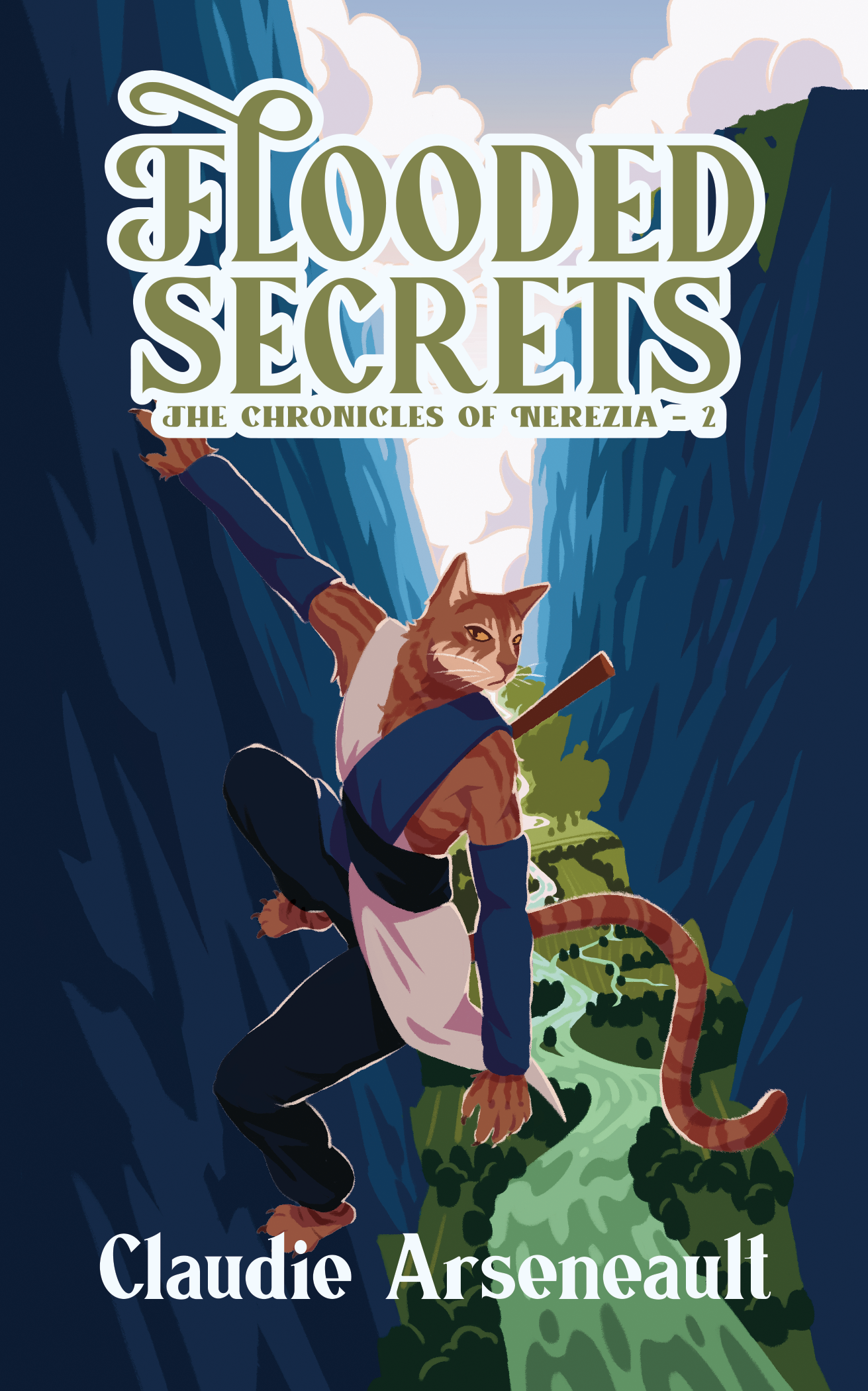
Descrizione: Fate and friendship brought Horace, Rumi, and Aliyah together in Rumi’s Wandering Wagon of Wonderful Wares, a sentient self-propelling wagon. They seek the forest haunting Aliyah’s dream, hoping for answers about their past and their unique abilities—but for that, they need to traverse a world haunted by Fragments, dangerous shards that can possess travellers.
With the Fragments in the wilderness, banditry was the last danger Horace had expected on the road—but not even that could stop Keza Nesmit. Swift and deadly with a staff, Keza drops on the Wagon crew, claiming most of their provisions before vanishing back into the Tesrima Ridge. As if to compound their bad luck, the tunnel that serves as the only pass through the mountain is flooded and impassable.
Keza reappears, and she’s willing to show them the source of the flooding, a waterway blocked by Fragments, in the hopes that they can unblock it—and just like with the stolen food, she won’t answer any questions about her motives, no matter how friendly. Abrasive, confident, and eager to bicker, Keza makes for a thorny companion, but they’ll need to work together to free the pass and continue their travel.
As they unravel the Fragments’ blockage, so, too, do they chip away at Keza’s walls. But the cost of breaking both is far higher than anticipated, and Horace is about to learn that some secrets are better left untouched.

Il viaggio di Horace, Aliyah e Rumi va avanti, ma il Carro Itinerante di Merci Meravigliose che lə sta portando in giro prima viene svaligiato da una bandita, poi costretto a fermarsi perché il Passo di Inari, tappa obbligata per attraversare le montagne e che consiste in un passaggio sotterraneo, è allagato e impraticabile. Come dire, ci sono giornate migliori.
Fortunatamente – circa: ho già scritto che ci sono giornate migliori? – entra in scena una nuova personaggia, che sa perché il Passo di Inari è allagato. La conoscenza è potere, certo, ma non sarà comunque una passeggiata liberare la strada e alla fine richiederà un sacrificio, mentre non è ancora chiaro il ruolo dei Frammenti, le schegge che infestano questo mondo e che sono in grado di possedere le persone.
Nonostante accadano cose spiacevoli, Arseneault trova comunque il modo di infilarci della queerness casuale e noi la amiamo per questo, perché non è mai posticcia, ma perfettamente integrata nella storia. È così ben inserita che quasi non la si nota: non perché sia nascosta, ma perché Arseneault riesce a darle lo status di normalità in modo che lə lettorə la prenda come un dato di fatto. Come dovrebbe essere, invece di risultare un’eccezione alla regola.
Forse è per questo che nei romanzi di Arseneault, per quanto possano accadere cose brutte, si sta così bene: perché invece di perdere tempo a darsi addosso per i pronomi che si usano, il genere di ci si ama, il modo in cui lo si fa o quante persone si ami in contemporanea si fa fronte comune per affrontare il pericolo e vedere di uscirne insieme tuttə interə.


Rispondi